How Proper Subfloor Installation Prevents Floor Damage
Proper subfloor installation by experienced local contractors helps prevent floor damage and ensures a stable, long-lasting surface for your flooring project.
Understanding how proper subfloor installation prevents floor damage is essential for property owners looking to protect their investment and maintain a safe, attractive living or working space. In many cases, issues such as warping, cracking, or uneven flooring stem from subfloor problems that could have been avoided with correct installation techniques. Local contractors who specialize in subfloor services have the experience to ensure a stable foundation, helping to prevent costly repairs and preserving the longevity of the entire flooring system.
Property owners in the area may find it beneficial to explore this topic if they are planning a renovation, experiencing existing floor issues, or simply want to ensure their floors remain durable over time. Proper subfloor installation is a practical step toward avoiding common problems caused by moisture, improper leveling, or inadequate support. Connecting with experienced service providers can help ensure that the subfloor is installed correctly, providing a solid base that protects against future damage and enhances the overall quality of the finished floor.
- Basement renovation projects - when homeowners want to ensure their subfloor is properly installed to prevent future floor damage caused by moisture or uneven surfaces, local contractors assess and prepare the subfloor accordingly.
- New flooring installations - during new floor setups, service providers focus on correct subfloor installation to avoid issues like squeaking, cracking, or shifting over time.
- Remodeling and additions - when expanding or upgrading existing spaces, local pros ensure the subfloor is properly installed to maintain structural integrity and prevent damage to the finished flooring.
- Water damage repairs - after flooding or leaks, experienced service providers inspect and reinstall subfloors to prevent mold growth and further floor deterioration.
- Subfloor leveling and repair projects - for uneven or damaged subfloors, local contractors use proper installation techniques to create a stable foundation that protects the final flooring from future damage.
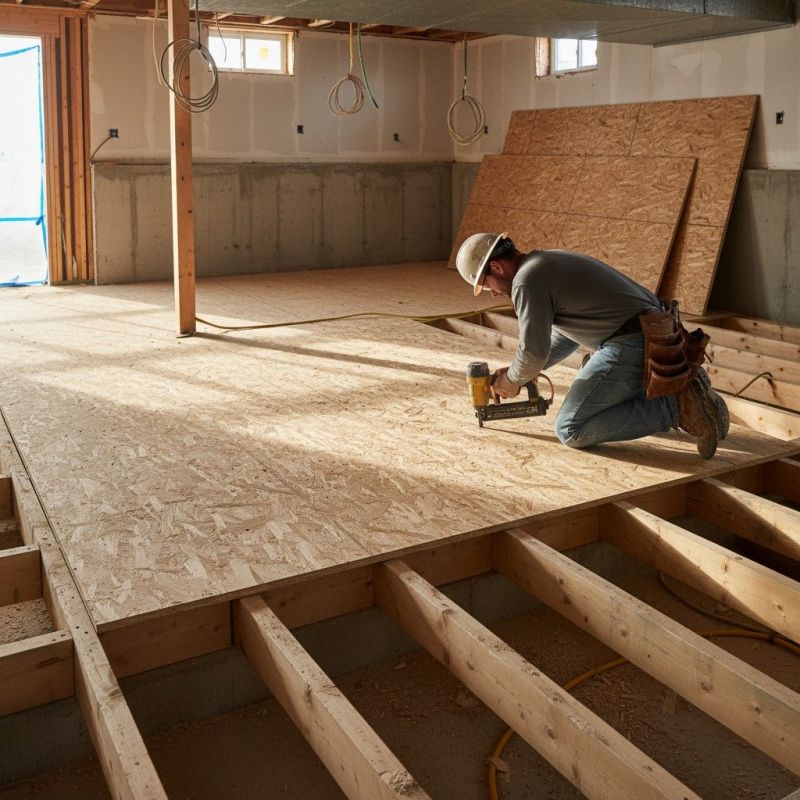
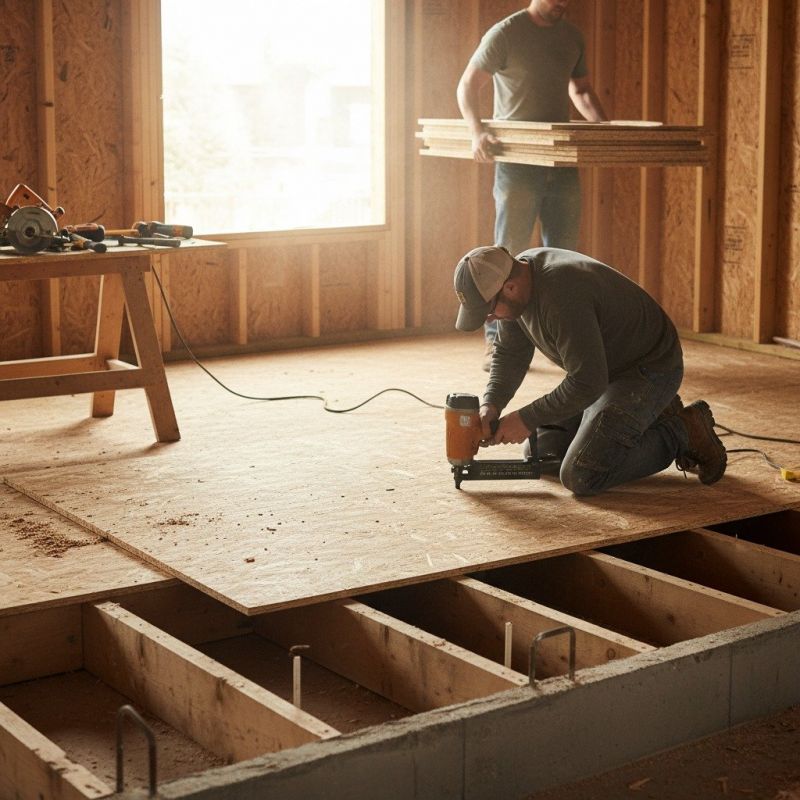
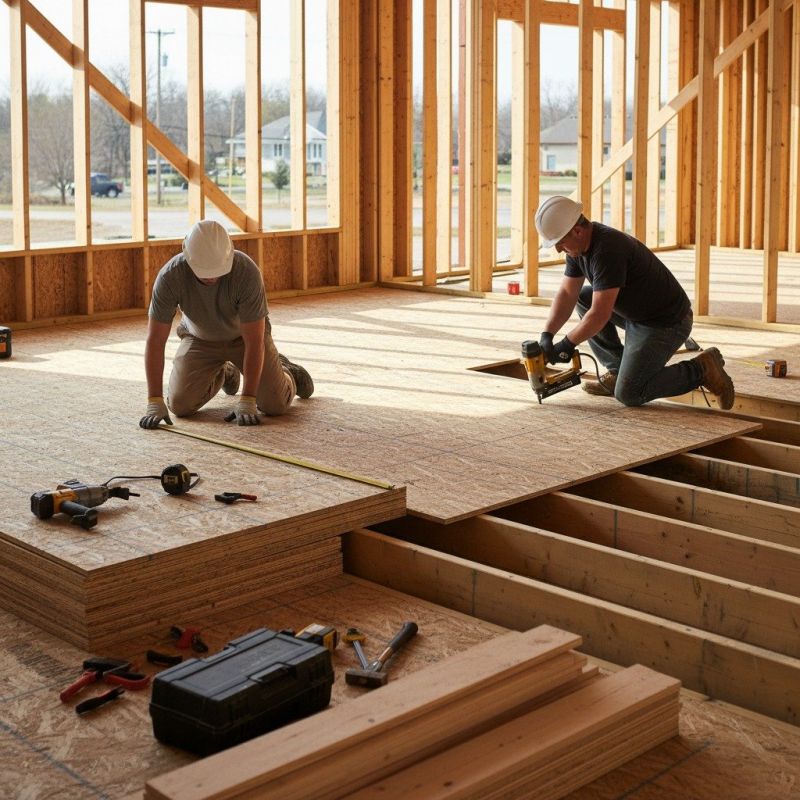
When people search for how proper subfloor installation prevents floor damage, they often want to understand the connection between the foundation of a flooring project and the long-term durability of their floors. Many homeowners are planning renovations or new construction and recognize that a solid, well-installed subfloor is essential for supporting the finished flooring. This topic relates to common issues such as uneven surfaces, squeaking, cracking, or even buckling floors that can develop over time. It also ties into broader plans for creating a stable, level surface that can handle everyday use without leading to costly repairs or replacements down the line.
The problems associated with poorly installed subfloors are widespread and can affect various types of properties. For example, residential homes with wooden or concrete subfloors often experience issues like moisture intrusion, which causes warping or mold growth. Commercial spaces, such as offices or retail stores, also need a reliable subfloor to support heavy foot traffic and equipment. Additionally, properties in areas prone to moisture or temperature fluctuations are particularly vulnerable to subfloor-related damage. Understanding how proper installation techniques can prevent these problems is key for property owners who want to ensure their floors remain safe, functional, and visually appealing over time.
Proper subfloor installation plays a crucial role in preventing floor damage by creating a stable and even surface for the finished flooring. When subfloors are installed correctly, they help distribute weight evenly and minimize movement that can cause squeaks or cracks. This process also involves addressing moisture issues, ensuring proper fastening, and selecting suitable materials for the specific property type. Local service providers who specialize in subfloor installation can assess the unique conditions of each property, recommend the right approach, and execute the work to prevent future problems. This proactive step can significantly extend the lifespan of both the subfloor and the finished flooring, saving property owners money and effort in the long run.
For homeowners planning renovations or new builds, understanding the importance of proper subfloor installation is vital for protecting their investment. Whether dealing with a small residential project or a large commercial development, choosing experienced local contractors ensures that the subfloor is installed with attention to detail and adherence to best practices. These professionals can identify potential issues like uneven surfaces, moisture intrusion, or inadequate support before they cause damage. By prioritizing proper installation from the start, property owners can enjoy durable, stable floors that resist common problems such as warping, cracking, or mold growth, ultimately maintaining the property's value and appearance over time.
Flooring Removal and Preparation - professionals skilled in removing existing flooring and preparing subfloors ensure a stable foundation that prevents future floor damage.
Concrete Slab Repair and Leveling - local contractors experienced in slab repair help create a flat, even surface essential for proper subfloor installation and long-term durability.
Moisture Barrier Installation - experts who install moisture barriers protect subfloors from water damage, which is crucial for maintaining floor integrity over time.
Wood Subfloor Installation - specialists in installing wood subfloors understand how to ensure proper support to prevent warping and buckling of finished floors.
Insulation and Vapor Barrier Services - local service providers can add insulation and vapor barriers to improve subfloor stability and prevent moisture-related issues.
Structural Reinforcement Projects - contractors experienced in reinforcing joists and framing help maintain a solid base, reducing the risk of subfloor and flooring damage.
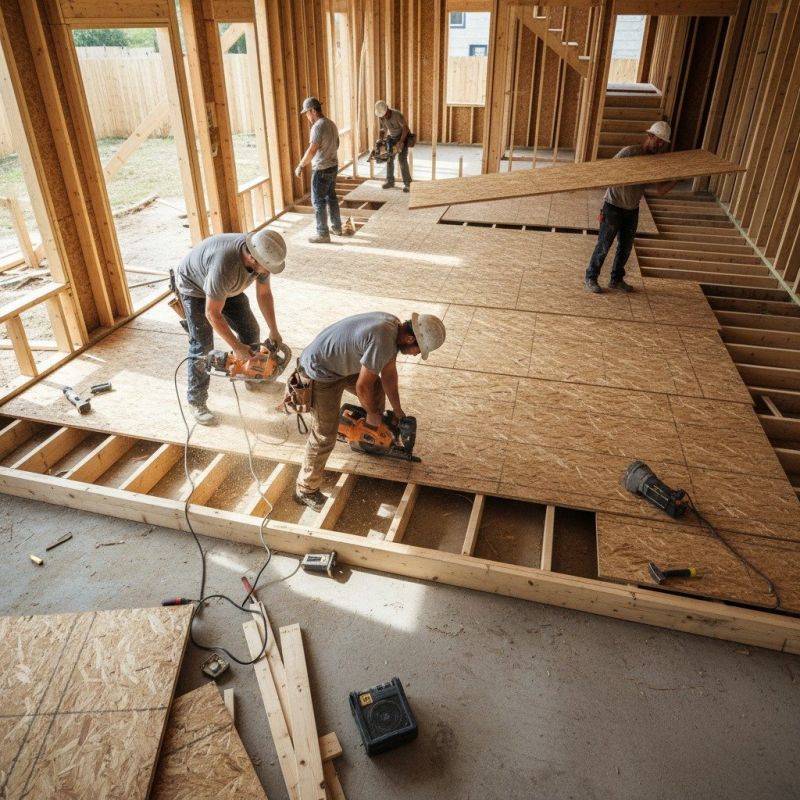
When comparing service providers for subfloor installation, it’s important to consider their experience with similar projects. Homeowners should look for local contractors who have a proven track record of handling subfloor work in residential settings comparable to their own. An experienced professional is more likely to understand the nuances of proper subfloor installation, which plays a crucial role in preventing issues like floor squeaks, uneven surfaces, or structural damage down the line. Asking for examples of past projects or seeking references can help gauge whether a contractor has successfully managed installations similar to the scope and complexity of the current job.
Clear written expectations are essential when evaluating potential service providers. Homeowners should seek detailed proposals that outline the scope of work, materials to be used, and the steps involved in the installation process. This transparency helps ensure that both parties share an understanding of what the project entails and can prevent misunderstandings or overlooked details that might compromise the quality of the subfloor. Well-defined expectations also serve as a foundation for accountability, making it easier to address any issues that may arise during or after installation.
Reputable references and good communication are key factors in selecting a reliable local contractor. Service providers with a history of positive client feedback and a reputation for clear, open communication are more likely to deliver a smooth experience. Homeowners should inquire about how well the contractor communicates throughout the project and whether they are responsive to questions or concerns. Effective communication ensures that homeowners stay informed about progress and can address any uncertainties promptly, ultimately supporting the successful installation of a subfloor that helps prevent future floor damage.
Property owners often search for how proper subfloor installation prevents floor damage when they are planning practical projects around their homes and businesses. Local pros provide Subfloor Installation services for everyday jobs and straightforward project options.
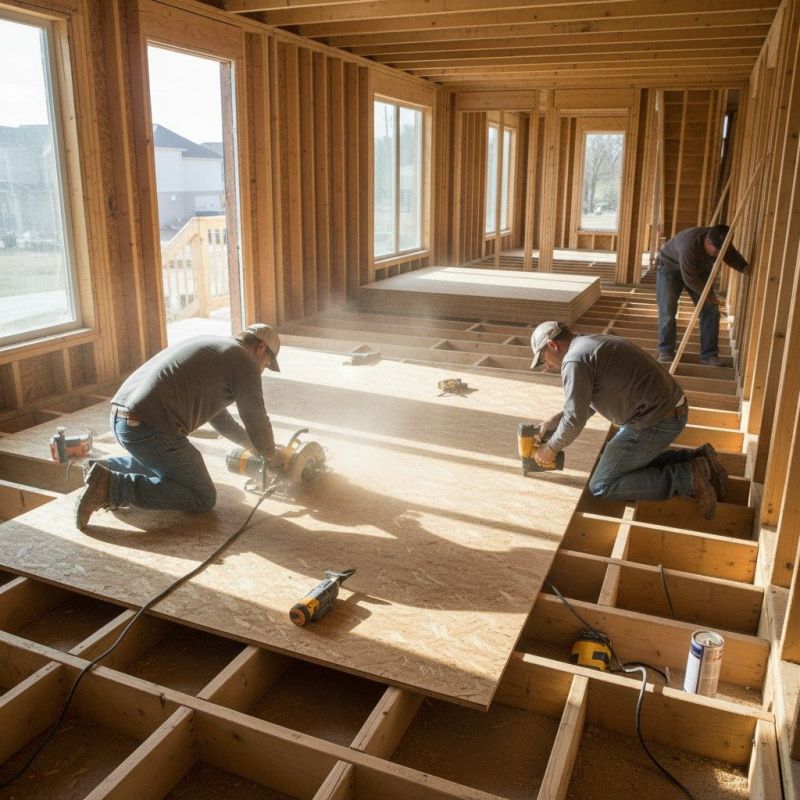
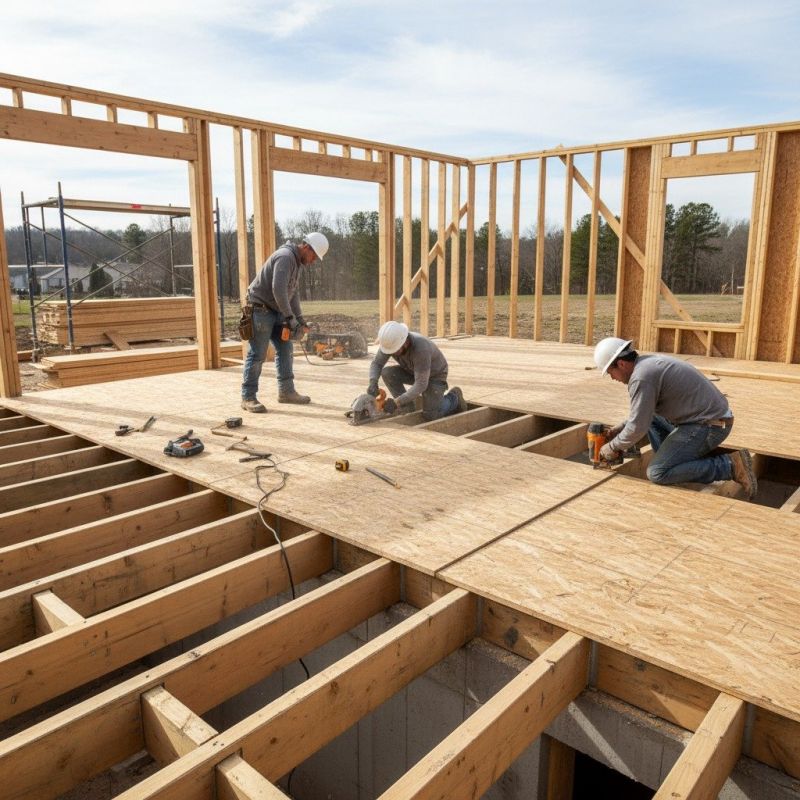
Proper subfloor installation is essential for maintaining the integrity of any flooring project. When homeowners in the area are considering new flooring, understanding how proper subfloor preparation can prevent issues like uneven surfaces, squeaks, or even structural damage is a common concern. Local contractors who specialize in subfloor services can assess existing conditions, recommend the right materials, and ensure the subfloor is properly leveled and secured. This attention to detail helps create a stable foundation, reducing the risk of costly repairs and ensuring the longevity of the finished floor.
Many property owners seek out subfloor installation services to avoid problems caused by moisture, shifting ground, or inadequate support. Properly installed subfloors act as a barrier against moisture infiltration and provide uniform support for the finished flooring. Local service providers can handle these critical steps, helping to prevent issues like buckling, cracking, or warping over time. Connecting with experienced local contractors ensures that the subfloor is installed correctly from the start, which is a practical step toward protecting the investment in new flooring.
Why is proper subfloor installation important for preventing floor damage? Proper subfloor installation ensures a stable and level base, reducing the risk of cracks, warping, or buckling in the finished flooring caused by uneven support or moisture issues.
How can local contractors help ensure proper subfloor installation? Local contractors have experience and knowledge to install subfloors correctly, addressing factors like moisture barriers and proper fastening techniques that prevent future damage.
What types of floor damage are most prevented by correct subfloor installation? Proper installation helps prevent issues such as squeaking, buckling, cracking, and uneven surfaces that can compromise the integrity and appearance of the flooring.
How does proper subfloor installation affect moisture-related floor damage? Skilled local service providers use appropriate moisture barriers and ventilation considerations to reduce the risk of moisture seeping into the subfloor, which can cause warping or mold growth.
Why should homeowners choose experienced local pros for subfloor installation? Experienced local pros understand the specific needs of different flooring types and local conditions, helping to ensure the subfloor is installed correctly to protect against future damage.
Assess subfloor condition - property owners should evaluate existing subfloor stability and moisture levels before installation, which local contractors can help identify.
Use proper subfloor materials - selecting quality, appropriate materials can prevent future warping or buckling, and local service providers can recommend the best options.
Ensure correct installation techniques - proper fastening, leveling, and sealing during subfloor installation reduce the risk of damage to the finished floor.
Address moisture issues early - managing humidity and moisture intrusion with professional help can prevent subfloor deterioration that leads to floor damage.
If you are thinking about how proper subfloor installation prevents floor damage for a property, this guide is meant to help you understand this topic, the typical project types, and how different options might fit your plans.
When you are ready, you can use the quote form on this page to share a few details about your project. From there, local pros can review the basics and follow up with options that match what you have in mind.