Get Sagging Floor Repair
Sagging floor repair services help property owners fix uneven, weakened, or sagging floors caused by structural issues, often involving joist reinforcement or replacement by local contractors.
Sagging floors can indicate underlying structural issues that may affect the safety and stability of a property. Property owners in the area who notice uneven or sagging surfaces often seek professional repair services to address these concerns effectively. Exploring local contractors who specialize in floor repair provides an opportunity to compare options and find experienced service providers capable of restoring the integrity of your flooring.
Planning a repair project for a sagging floor involves understanding the scope of work and selecting qualified local service providers. Property owners are encouraged to consider various local contractors to ensure the work meets their specific needs. Continuing to explore available options can help identify the right professionals to handle the job efficiently and reliably.
- Sagging Floor Repair - needed when floors feel uneven or bounce underfoot.
- Subfloor Stabilization - required if the subfloor shows signs of deterioration or movement.
- Floor Leveling - necessary when existing flooring is visibly sloped or warped.
- Joist Reinforcement - essential if structural supports are compromised or sagging.
- Foundation Settlement Repair - needed if shifting or settling causes floors to sag or crack.
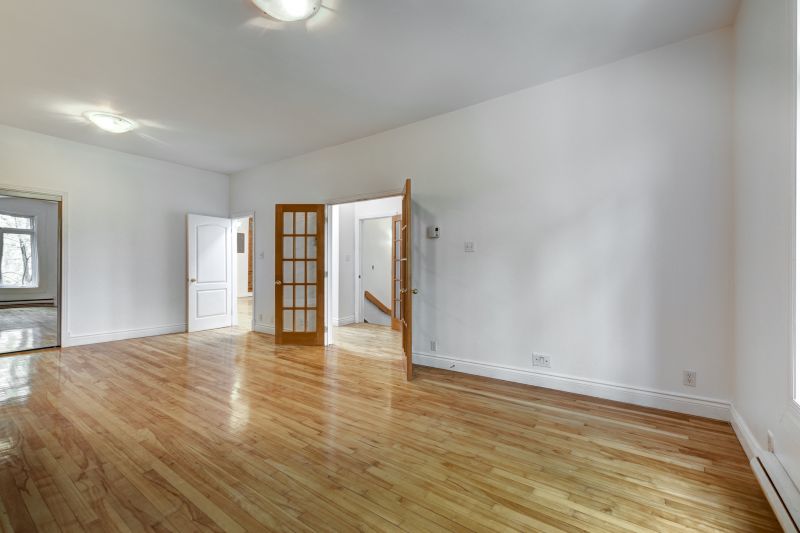
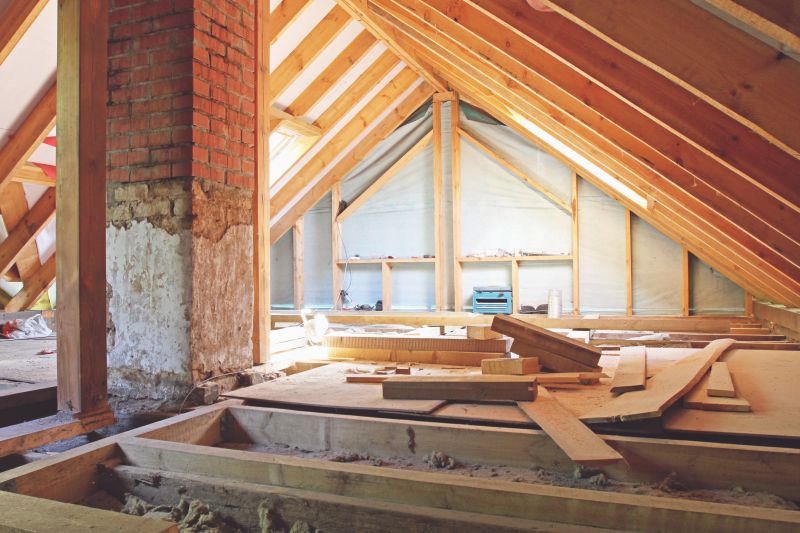
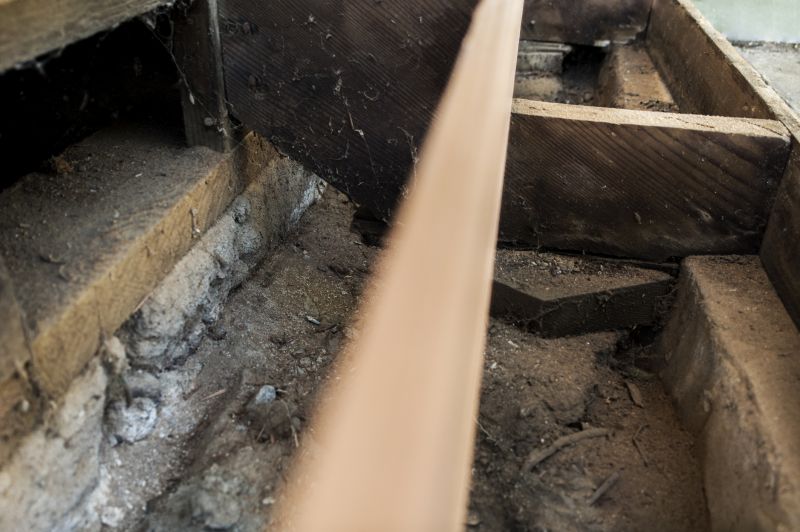
Sagging floor repair services address issues where the floor surface feels uneven, bouncy, or visibly dips in certain areas. This problem often results from underlying structural damage, such as weakened joists, rotted wood, or shifting supports. Service providers typically assess the extent of the damage, then reinforce or replace compromised framing components to restore stability. This process helps improve safety, prevent further deterioration, and bring back a level, secure flooring surface.
Many problems can cause floors to sag over time, including prolonged exposure to moisture, wood rot, pest damage, or improper original construction. These issues can compromise the integrity of the floor support system, leading to noticeable dips, creaking sounds, or even potential safety hazards. Repairing sagging floors not only addresses these immediate concerns but also helps prevent more serious structural failures that could affect walls, ceilings, or other parts of a property.
Sagging floor repair services are commonly needed in a variety of property types, particularly older homes, basements, or properties with known moisture issues. Residential properties with uneven or bouncing floors are typical candidates, especially in areas where the foundation or support beams have weakened over time. Commercial buildings or multi-family dwellings may also require this service if structural components become compromised, ensuring the safety and stability of the space for occupants.
Homeowners who notice signs like uneven flooring, creaking sounds, or visible dips should consider consulting local contractors specializing in sagging floor repair. These professionals can evaluate the condition of the floor support system, identify underlying problems, and recommend appropriate solutions. Connecting with experienced service providers can help restore the safety, functionality, and appearance of a property’s flooring, making it a worthwhile step for maintaining a secure living or working environment.
The overview below groups typical Sagging Floor Repair projects into broad ranges so you can see how smaller, mid-sized, and larger jobs often compare in your area.
In many markets, a large share of routine jobs stays in the lower and middle ranges, while only a smaller percentage of projects moves into the highest bands when the work is more complex or site conditions are harder than average.
Smaller Repairs - for minor sagging or localized issues, local contractors typically charge between $250 and $600. Many routine jobs fall within this range, covering repairs like patching or reinforcing small sections of flooring.
Moderate Repairs - more extensive sagging or damage that affects larger areas can cost between $600 and $1,500. Projects in this range are common and may involve partial joist replacement or leveling of multiple sections.
Major Restoration - significant sagging or structural issues requiring extensive work usually range from $1,500 to $3,500. Larger, more complex projects that involve multiple repairs or reinforcement tend to fall into this tier.
Full Floor Replacement - complete replacement of a sagging or damaged floor can cost $3,500 or more, with larger projects potentially exceeding $5,000. These are less frequent but necessary for severe structural problems requiring comprehensive work by local service providers.
Actual totals will depend on details like access to the work area, the scope of the project, and the materials selected, so use these as general starting points rather than exact figures.
Subfloor Replacement - this project involves removing and installing new subflooring, requiring skills in structural assessment, precise cutting, and material handling similar to sagging floor repairs.
Joist Reinforcement - strengthening or replacing damaged joists demands knowledge of framing, load distribution, and proper planning akin to fixing sagging floors.
Foundation Stabilization - addressing foundation issues to prevent or correct floor sagging involves planning and techniques that ensure structural integrity, similar to floor repair work.
Floor Leveling - leveling uneven floors often requires assessing subfloor conditions and using specialized tools, paralleling the skills needed for sagging floor restoration.
Moisture Damage Repair - repairing floors affected by water damage involves assessing structural components and replacing compromised materials, similar to sagging floor remediation.
Structural Beam Replacement - replacing or reinforcing supporting beams requires understanding load-bearing elements, planning, and precise installation, related to sagging floor services.
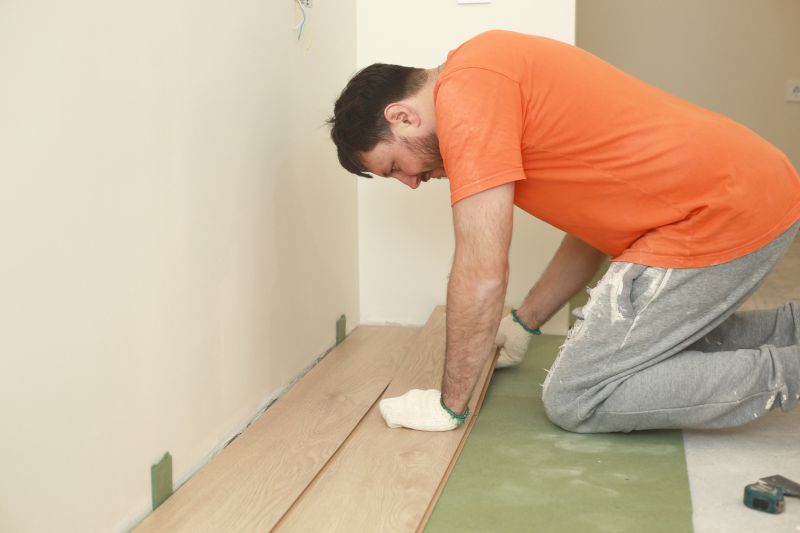
When evaluating potential service providers for sagging floor repair, it’s important to consider their experience with similar projects. Homeowners should inquire about how long a contractor has been working on floor repairs and whether they have handled projects comparable in scope and complexity. A contractor with relevant experience is more likely to understand the specific challenges involved and to deliver a solution that addresses the underlying issues effectively. Checking for a proven track record with past clients or projects can provide additional confidence in their ability to manage the job successfully.
Clear written expectations are essential to ensure that both the homeowner and the contractor are aligned on the scope of work, materials, and outcomes. When comparing local contractors, it’s advisable to request detailed proposals or written estimates that outline the work to be performed, the materials to be used, and any assumptions or exclusions. This transparency helps prevent misunderstandings and provides a basis for evaluating the professionalism of each service provider. Clear communication upfront can also facilitate smoother project execution and reduce the likelihood of surprises during the repair process.
Reputable references and good communication are key factors to consider when choosing a local contractor for sagging floor repair. Homeowners should seek references from previous clients who can speak to the contractor’s reliability, quality of work, and professionalism. Additionally, assessing how well a contractor communicates-whether they respond promptly to inquiries, provide thorough explanations, and listen to concerns-can indicate their level of customer service. Remember, the goal is to find a service provider who is transparent and easy to work with, ensuring a positive experience from initial contact through project completion.
Property owners use Sagging Floor Repair services for practical projects around their homes and businesses. This guide focuses on everyday jobs and straightforward project options.
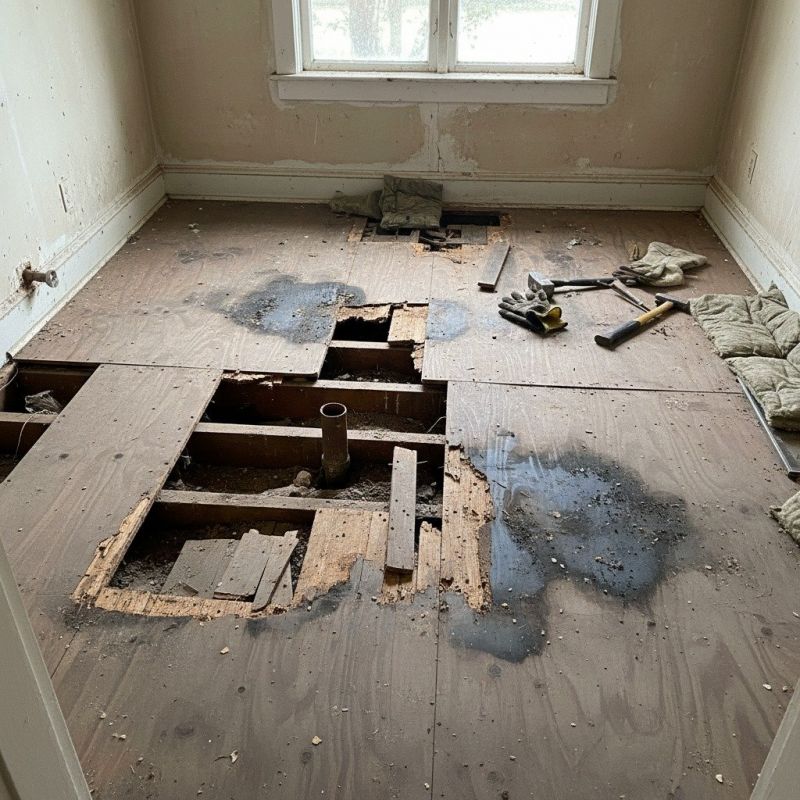
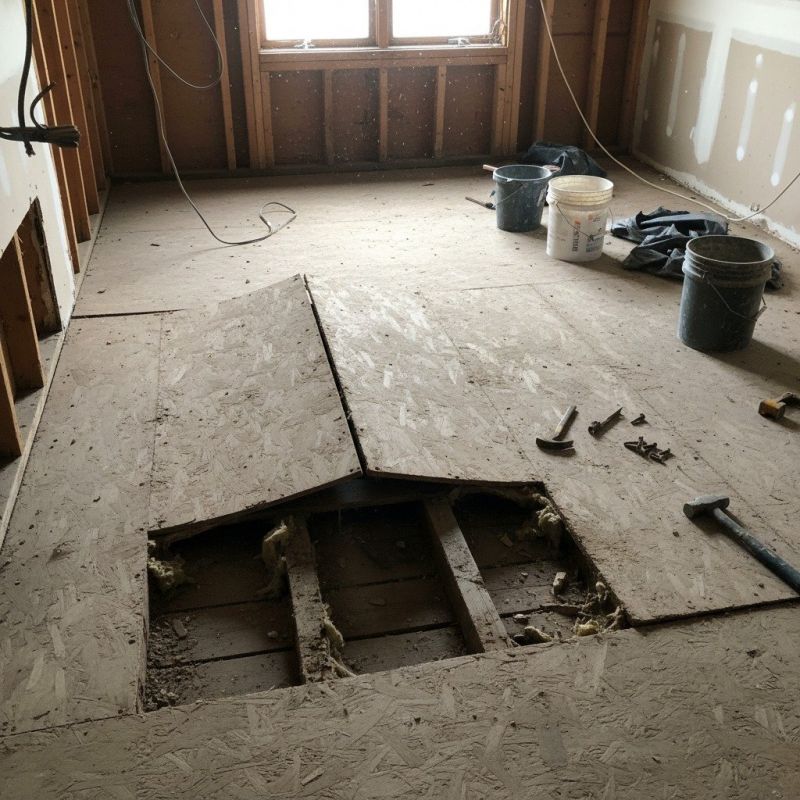
Sagging floors can be a common concern for property owners experiencing uneven or bouncy surfaces in their homes or commercial spaces. Often, this issue arises from aging or damaged support beams, weakened joists, or settling foundations. When floors start to sag, it can affect the safety and stability of a property, prompting owners to seek reliable local contractors who specialize in repair solutions. These professionals can assess the condition of the flooring and recommend appropriate methods to restore levelness and structural integrity.
Property owners may also notice creaking sounds, visible dips, or gaps forming between flooring and walls, which are signs that repairs may be needed. Such problems can develop gradually due to moisture damage, wood rot, or shifting ground beneath the building. Local service providers experienced in sagging floor repair are equipped to handle these issues efficiently, helping to reinforce and stabilize the affected areas. Connecting with qualified contractors can provide options tailored to the specific needs of each property, ensuring a safe and lasting fix.
What causes a floor to sag? Sagging floors are typically caused by issues such as weakened or damaged joists, foundation settlement, or moisture problems that compromise the structural integrity of the flooring system.
How can sagging floors be repaired? Local contractors may use methods like sistering joists, installing new supports, or reinforcing existing framing to restore stability and levelness.
Is it necessary to replace the entire floor to fix a sagging issue? Not always; many sagging floors can be corrected through targeted repairs or reinforcement without full replacement, depending on the extent of the damage.
What signs indicate a floor might be sagging? Visible unevenness, noticeable dips, creaking sounds, or difficulty in walking steadily across certain areas can signal a sagging floor.
Who can handle sagging floor repairs? Local service providers experienced in floor repair and structural reinforcement can evaluate the issue and perform appropriate fixes.
Sagging Floor Repair - Property owners can use this service to stabilize floors that have become uneven or unsafe due to structural issues.
Sagging Floor Repair - Homeowners experiencing creaking or bouncing floors can explore repair options to improve safety and comfort.
Sagging Floor Repair - Those planning renovations or remodeling projects can include floor stabilization to ensure a solid foundation.
Sagging Floor Repair - Property managers managing rental units can address sagging floors to maintain property value and tenant safety.
If you are thinking about Sagging Floor Repair for a property, this guide is meant to help you understand the work, the typical project types, and how different options might fit your plans.
When you are ready, you can use the quote form on this page to share a few details about your project. From there, local pros can review the basics and respond with options that match what you have in mind.